Guides · 5 min read
Fae audio stories: bargains, rules and a lord at your window
Old debts, careful words and a voice that cannot lie. What makes fae stories so good to listen to, and which to try first.
Fae audio stories work because every word matters: he cannot lie, you must not thank him, and the bargain you strike decides the ending. Start with The Hawthorn Bargain, where a fae lord comes to your window to repay a debt from twenty years ago. The opening is free, no account needed.
Why fae stories are made for audio
The fae of folklore are creatures of language. They are bound by what they say and by what you say to them. A promise is a contract, a name is a key, a careless "thank you" is a debt. That makes them perfect for a story told in one voice, because the tension lives entirely in the words. You hear every pause he takes before answering, every phrase he chooses a little too carefully, the moment he says something that is true in a way you did not expect.
And because the story is interactive, the rules apply to you too. When he asks what you want, the wording of your answer is the whole game. In The Hawthorn Bargain, he grants exactly what you say, not what you mean. Few formats let you feel that pressure directly. A book can describe a heroine choosing her words; here you choose them.
The rules, in case you are new to the fae
- They cannot lie. They can mislead, leave things out and answer a different question, but every sentence they say is true.
- Do not eat their food. In most old stories, food in a fae hall keeps you there.
- Do not thank them. Thanks implies a debt, and fae take debts seriously.
- Mind your words. A wish, a promise or a name given carelessly can be held against you, or in your favour if you are clever.
- Debts are always paid. Which is why a fox you freed from a snare twenty years ago might come back as a lord.
You do not need to know any of this to enjoy the stories; he explains what you need, usually with some amusement. But knowing the rules makes the small moments land: the way he avoids saying thank you, the way he answers a question with a question.
Stories to start with
 Moonvale+The Hawthorn BargainFantasy · 7–9 min
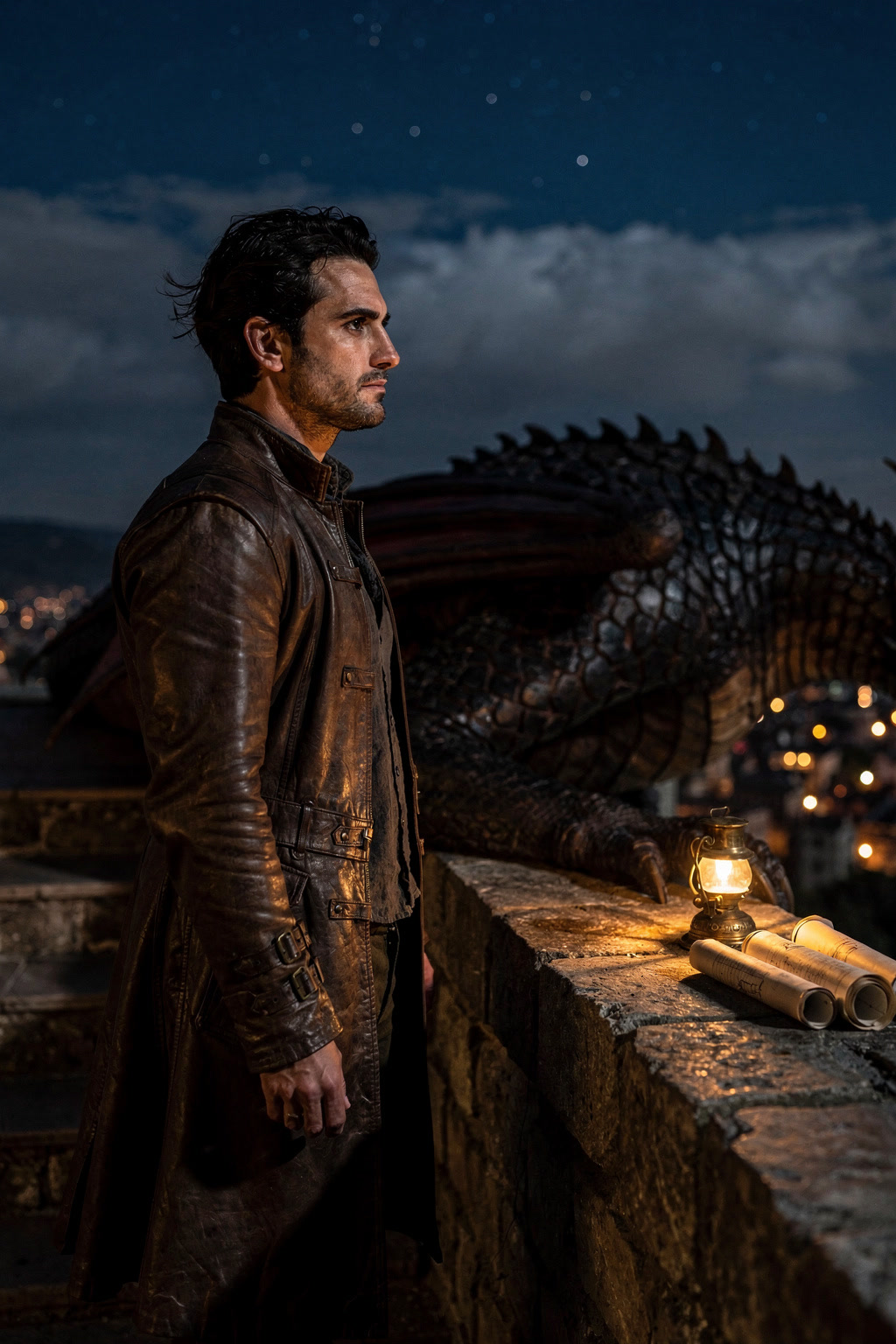 Moonvale+The Last RiderFantasy · 7–8 min
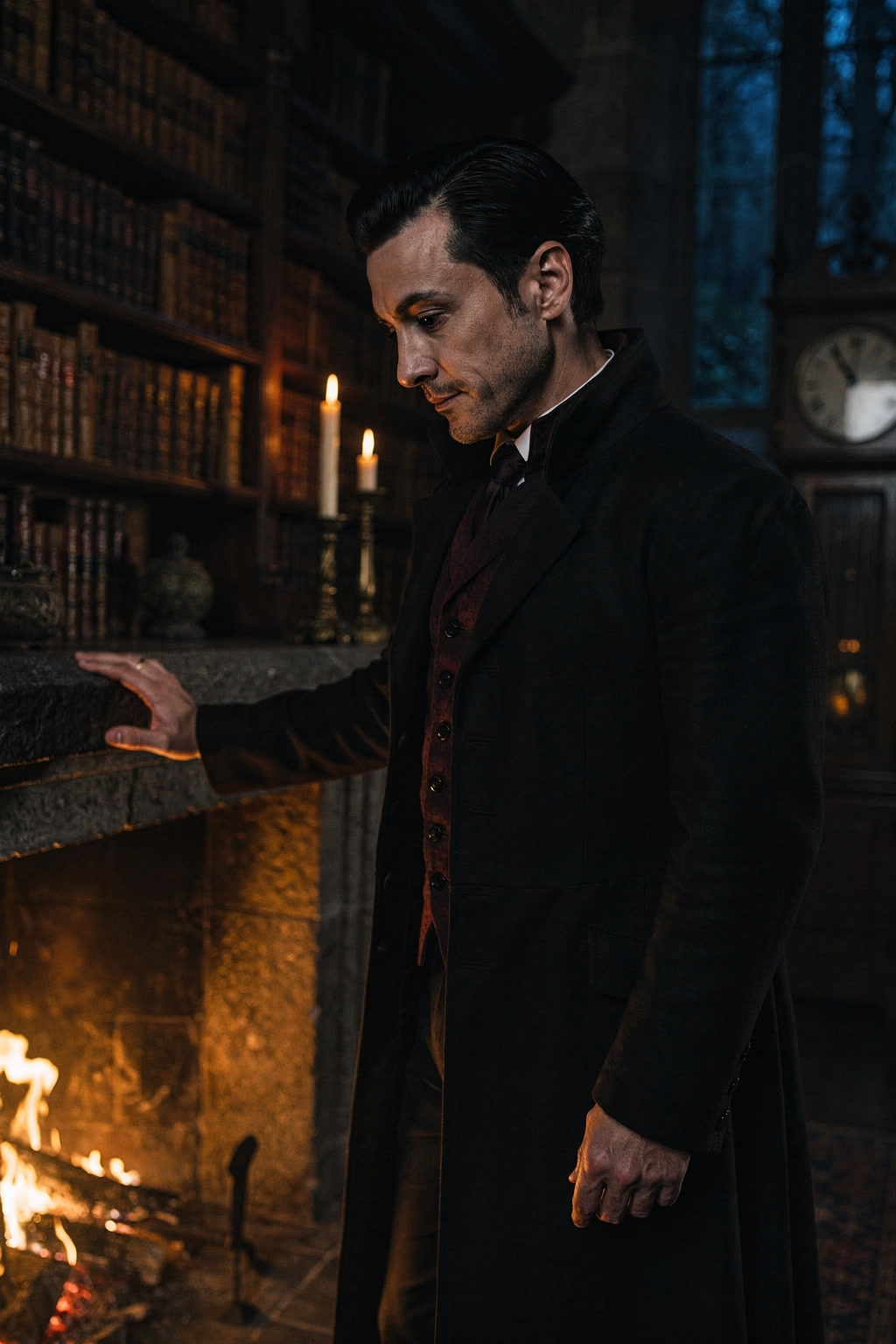 Moonvale+The Midnight RuleFantasy · 7–8 min
 FreeThe KeeperFantasy · 7–8 min
The Hawthorn Bargain. When you were eight, you cut a fox out of an iron snare. It was not a fox. On Midsummer's Eve, a fae lord with very good manners stands at your open window to pay that debt. He walks you through the wood to the hill, teaches you the rules, and in front of the whole court asks you to name your boon. Four decisions, four endings, one of them a Gold bonus. The most fae story we have.
The Last Rider. Not fae, but the same sense of a world older and larger than ours. The last dragon rider in the kingdom lands on your tower at midnight and flies to the border at first light. He has one night and a saddle for two. Sweeping rather than dangerous, and quietly lonely.
The Midnight Rule. Gothic rather than fae, but built the same way: a castle, a host who never eats, and one rule you must not break. Be behind a bolted door by midnight, whatever you hear. It is eleven fifty-eight. If you like stories where the rules are the tension, this is the darker cousin of The Hawthorn Bargain.
The Keeper. The gentlest of the four. A lighthouse at the edge of the world, a keeper who will not tell you his name because the sea remembers names. It has the fairy-tale logic without any of the danger, and it is free in full.
What makes a good fae story
- Courtesy with an edge. The best fae heroes are impeccably polite and slightly frightening at the same time.
- Real rules with real consequences. If breaking a rule costs nothing, the rules are decoration.
- Wonder. A hill that opens, music that closes around you, a court lit by things that are not candles. Audio does this with sound: a shift in the room, a far-off bell.
- A choice that only you can make. A bargain, a name, a wish. The story should turn on your words.
How the choices work
Each story is one voice, about five to nine minutes long. At a few moments he asks you something and waits: you tap an answer, move a slider, or type a count he taught you earlier. In The Hawthorn Bargain, remembering that count when the music of the court closes around you decides whether you can find the door again. Your answers change what he says and which ending you reach, and the app remembers the endings you have found.
Fae stories and the wider fantasy wave
Fae and fantasy have been the biggest reading trend of the last two years: courts, bargains, enemies who are not quite enemies. Most of that lives in long novels. Audio stories offer a different pleasure: the same world, compressed into one night and one voice, with you inside it. If you love the books, think of these as a single chapter told to you directly. If you have never read the books, they are an easy way in.
Our guide to fantasy audio stories covers the wider genre, from dragon riders to enemy kings. For the trope of two sides at war, see enemies-to-lovers audio stories.
A last word on mood. Fae stories are at their best late, in a quiet room, when the world outside feels a little thinner than usual. Midsummer and midwinter are traditional, but any long night works. Turn the lights down, put the headphones in, and listen for the moment the music changes.
Is it explicit?
No. Moonvale is for listeners 18 and over. The stories are intimate, sometimes flirtatious, sometimes a little dangerous, and never explicit. In fae stories especially, restraint is the point: what is promised and not yet given carries more weight than anything said outright.
If you finish The Hawthorn Bargain and want more, listen again and word your boon differently. The same fae lord gives a very different night to a careful wish and a reckless one.
If you only try one
Try The Hawthorn Bargain at night, with headphones. The opening is free in the browser and ends on his first question: will you climb out to him, or ask him in? Choose carefully.
Questions
What are fae audio stories?
Audio stories set in the world of folklore fairies: courts, bargains, debts and rules about words, names and food. In Moonvale, a fae lord speaks to you directly and your answers, including how you word your wish, change the ending.
Which Moonvale story is about the fae?
The Hawthorn Bargain: a fae lord comes to repay a debt from your childhood and asks you to name your boon. The Midnight Rule and The Last Rider share the same fantasy feel.
Do I need to know fae folklore?
No. He explains the rules you need inside the story. Knowing them just makes the small moments land better.
Is it explicit?
No. The stories are for adults (18+), intimate and tense, never explicit.
Is it free?
The opening of every story is free in the browser without an account. Two stories, Last Train and The Keeper, are free in full.