Guides · 5 min read
Enemies-to-lovers audio stories: where to start
Why the trope works so well when he is talking to you, and four stories to try.
Enemies-to-lovers audio works when he speaks to you directly and you choose how to answer: soft, sharp or silent. Start with The Enemy King, a wedding night between two kingdoms that were at war last week, or Two Cups of Wine, where you were sent to kill him. Both openings are free.
Why the trope works better by ear
On the page, enemies-to-lovers lives in the gap between what two people say and what they mean. A book has to describe that gap. Audio lets you hear it. When he says "Sit down" and his voice is a degree softer than the words, you know something has changed before he does. That is the whole pleasure of the trope, and a voice delivers it in half a second.
There is a second reason. In most audio, you only listen. In an interactive story, he waits for you, and you get to be the enemy too. You can refuse the cup he offers, test him, or lower your guard on purpose to see what he does with it. The tension is not something you watch from outside; you are holding one end of it.
What a good enemies-to-lovers story needs
- A real reason to be enemies. A war, a contract, an order to kill. If the conflict is a misunderstanding that one honest sentence would fix, there is no story.
- Respect before warmth. The best versions let each person be competent and a little dangerous. He notices you are good at what you do, and that is the first crack.
- A slow turn. The shift should happen in small moves: a door left unlocked, a question he did not have to ask, a joke neither of you expected.
- Your say in the pace. If you want to stay cold longer, you should be able to. If you want to soften early, the story should let you, and show you what it costs.
The moves that make it work
Most enemies-to-lovers scenes are built from a handful of small moves, and once you can hear them you will notice them everywhere. The first is the test: one of you does something that could be a trap, and watches what the other does with it. When the king in The Enemy King hands you his knife hilt first, he is not being sweet, he is asking a question. What kind of person are you when you are holding the only weapon in the room?
The second is the shared enemy. Two people who cannot stand each other will still stand back to back when someone worse comes through the door. A regent's guards, a jealous court, a war that is not quite over: an outside threat lets them be on the same side for ten minutes without admitting anything. The third is the slip, the moment one of them says something kind before remembering not to. It is usually small, a question about whether you have eaten, a coat put around your shoulders without comment, and it lands harder than any confession.
The last move is the choice. At some point one of them has to decide, out loud, whether to keep fighting. In a book, that decision belongs to the character. In an interactive story, it belongs to you, and you can make it early, late, or not at all.
Common mistakes (and what we try to avoid)
- Cruelty passed off as tension. If he is genuinely cruel, the story has to spend its whole length undoing that, and it rarely can. We keep him sharp, guarded and dangerous, never cruel to you.
- A switch instead of a turn. Hostile in one scene, devoted in the next. The best part of the trope is the middle, where neither of you quite knows what you are doing, so we make the middle long.
- You as a spectator. In many stories the heroine only reacts. Here you are the other enemy: you can refuse, test him back, and decide how much to trust him.
Four stories to start with
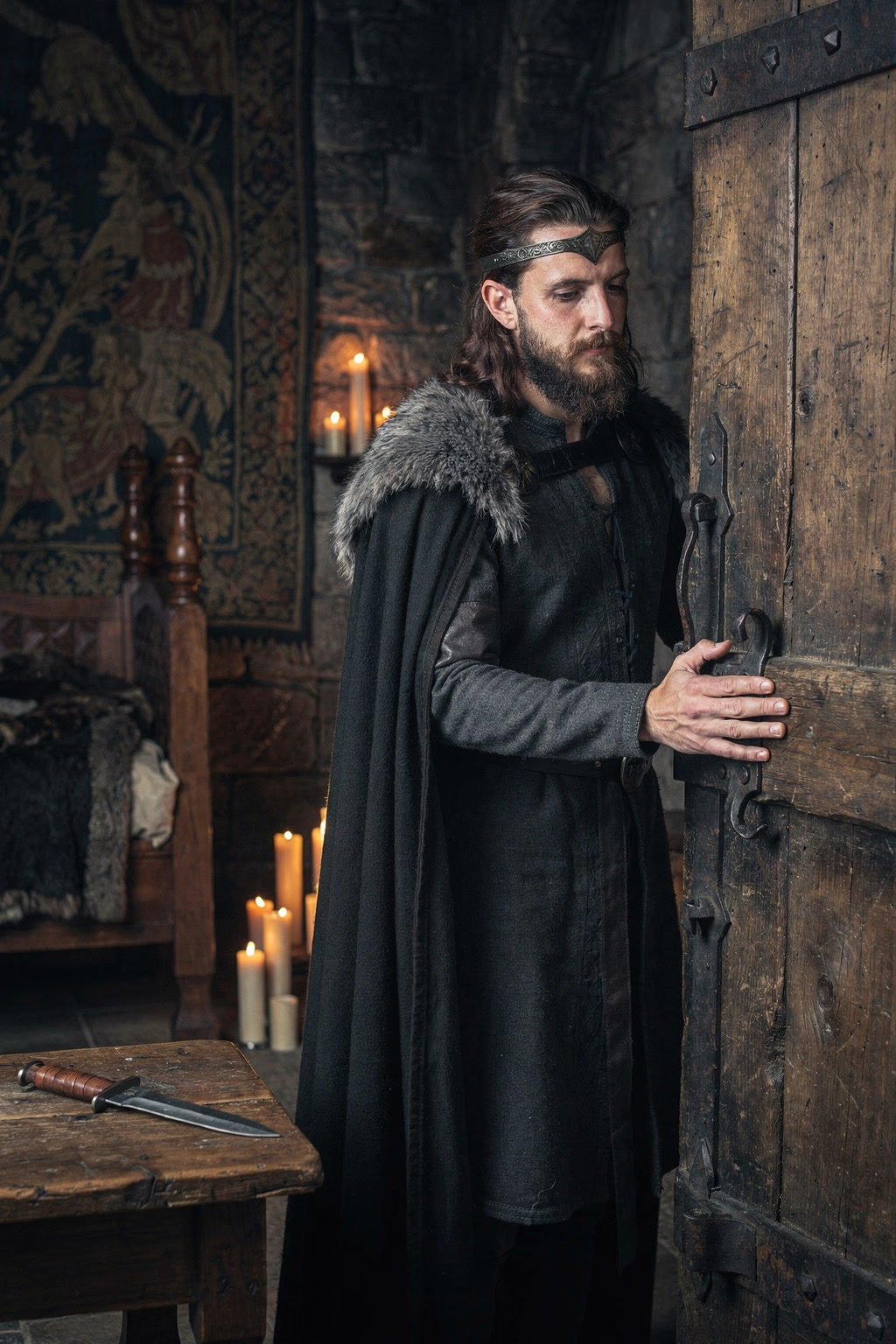 Moonvale+The Enemy KingFantasy · 7 min
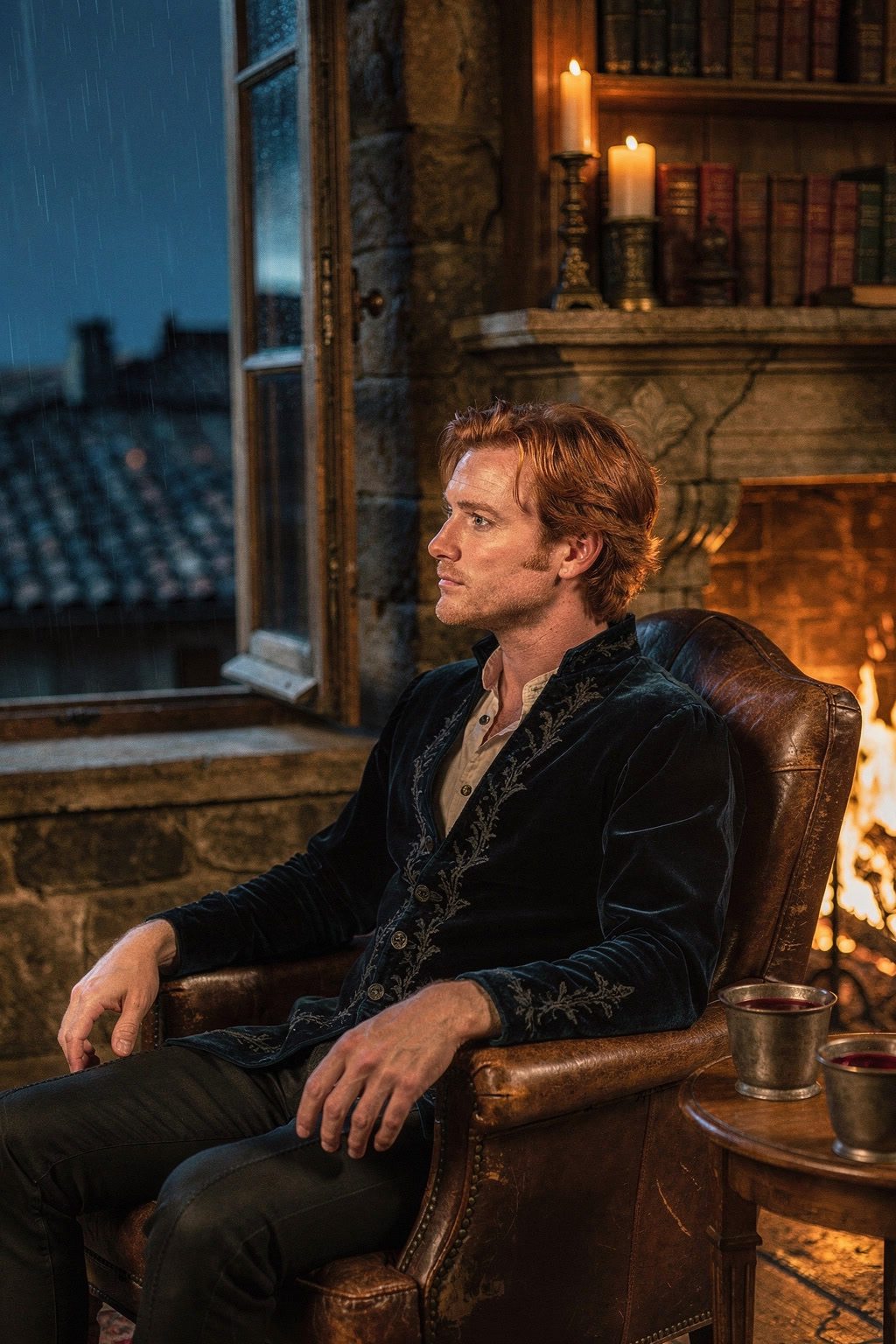 Moonvale+Two Cups of WineFantasy · 6–8 min
 Moonvale+The Hawthorn BargainFantasy · 7–9 min
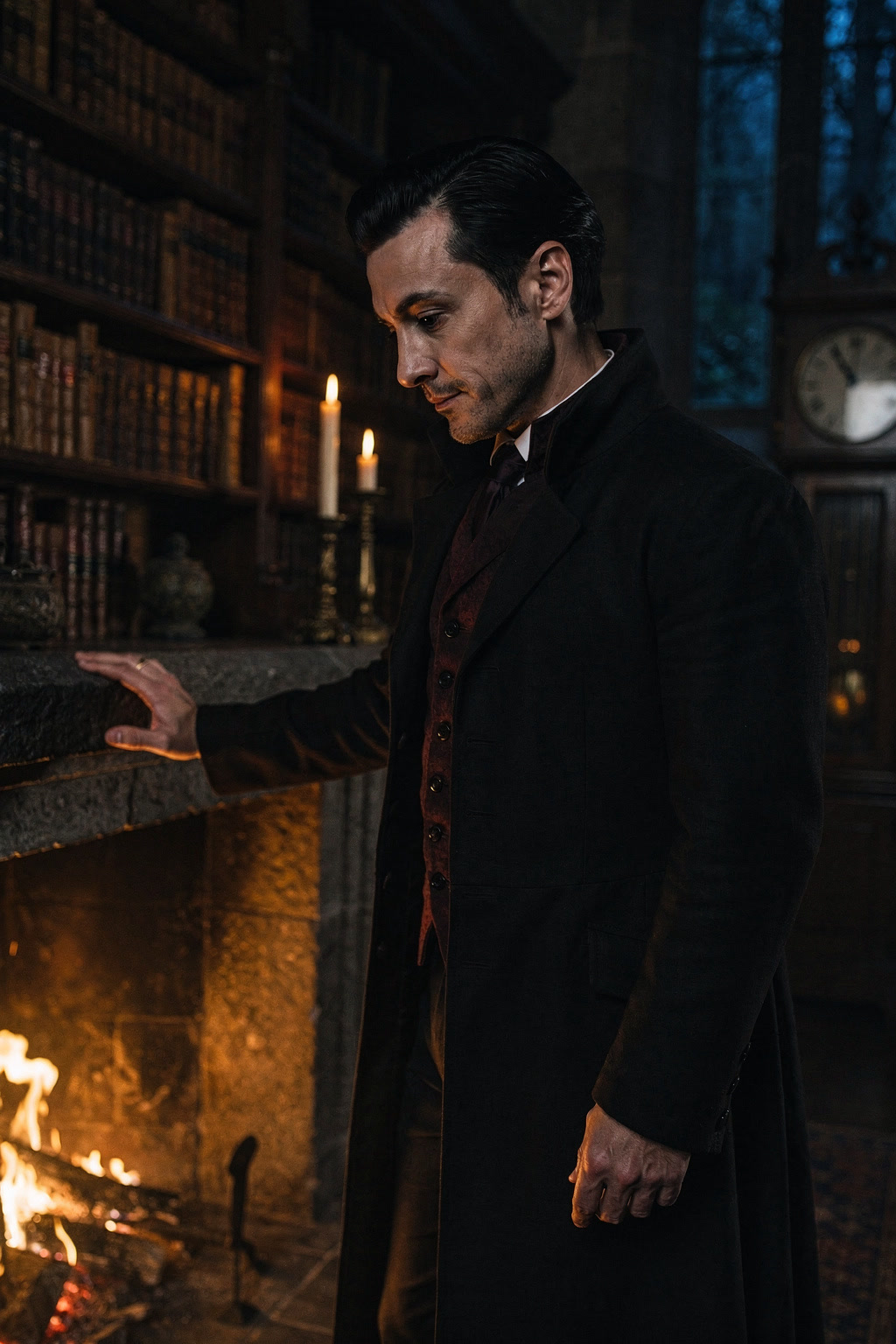 Moonvale+The Midnight RuleFantasy · 7–8 min
The Enemy King. Your kingdom lost the war, and the price of peace was you. Tonight is the wedding night, and he has just barred the door. He is not cruel, and he is not kind yet either. He is curious about you, which is more dangerous. The first answer you give him sets the temperature for everything after it.
Two Cups of Wine. You were sent to kill the prince. He knew, and he waited up for you with two cups poured. This is the trope at its sharpest: you are, literally, the threat in the room, and he decides to talk to you anyway. Whether you drink is your first choice.
The Hawthorn Bargain. Not quite enemies; something older and stranger. Twenty years ago you freed a fox from a snare. Tonight a fae lord comes to your window to pay that debt, and fae debts are not simple. If you like your tension with rules and old promises, start here.
The Midnight Rule. His castle took you in from the wolves. He has one rule: be behind a locked door by midnight. It is eleven fifty-eight. He is not your enemy, but he is hiding something, and the story is about whether you trust a man who will not tell you why.
How the choices work
Each story is one voice, about five to nine minutes long. At a few moments he asks you something and waits. You answer by tapping a reply, moving a slider (how close, how sure), or typing a number he gave you earlier. Your answers change what he says next and which ending you reach. Every story has two to four endings, and the app remembers the ones you have found. Interactive audio stories explains the format in more detail.
A note on listening
Enemies-to-lovers is a trope of small sounds: a door bolt, a cup set down, a pause that goes on a beat too long. It is worth listening with headphones, somewhere quiet, at a moderate volume. The stories are short enough for one sitting, so you can hear the whole arc before you sleep, and then go back another night to find the ending where you never lowered your blade.
Is it explicit?
No. Moonvale is for listeners 18 and over, and the stories are intimate, tense and sometimes flirtatious, but never explicit. In an enemies-to-lovers story that is not a limitation. The trope is built on what almost happens: a hand that stops, a sentence he does not finish, the moment you both decide not to say it yet.
If you only try one
Try The Enemy King with headphones. The opening is free in the browser, no account needed, and it ends on his first question to you. How you answer him is up to you.
Questions
What is an enemies-to-lovers audio story?
A story told by voice where two people start on opposite sides (a war, a contract, an order to kill) and slowly move toward each other. In Moonvale, he speaks to you directly and you choose how to answer, which changes how fast the walls come down.
Which Moonvale story is the best enemies-to-lovers one?
The Enemy King is the most classic: a wedding night after a war. Two Cups of Wine is the sharpest: you were sent to kill him. Both openings are free.
Are these stories explicit?
No. They are for adults (18+), intimate and tense, but never explicit.
How long is each story?
About six to nine minutes per listen, with two to four endings. Many listeners go back to find the other endings.